

A number of scientists have conducted research into diseases caused by parasites in horses - L.A. Bundina, 2001; O.O. Muromtsev, 2004; B. E. Aituganova, 2006; OH. Gehrke, 2007; R.M. Akbaev, 2015; A.I. Yatusevich A.I., Borisova O.A., 2016; Logier S., 2012; Matthews J.B., 2014; Stratford CH, 2014 and others. According to these scientists, today in veterinary medicine it is very important to study the harmful effects of intestinal parasites on horses, since they cause growth retardation in young foals, contribute to the occurrence of various colics in the digestive tract of horses, lead to disruption of the normal functioning of their internal organs, and sometimes cause the death of horses. For example, it has been established that horses at stud farms and farms in the Russian Federation have about 80 species of roundworms (L.A. Bundina, 2001; O.O. Muromtseva, 2004; V.P. Grigoriev, 2001 and other scientists). It has been shown that many of these helminths parasitize the small and large intestines of horses.
As a result, of research conducted by A.N. Gerke in the St. Petersburg region of the Russian Federation, it was proven that parascarids, trichonemas, oxyureas and strongylids are mainly found in the intestines and stomach of horses. In addition, it was proven that with age, parascaridosis is less common in horses and the incidence of oxyurosis increases. It has been scientifically proven that the spread of various worms in horses is seasonal, for example, it has been established that the breeding season of worms in horses is associated with the autumn months of the year (L. A. Bundina, 2012; A. N. Gerke, 2007).
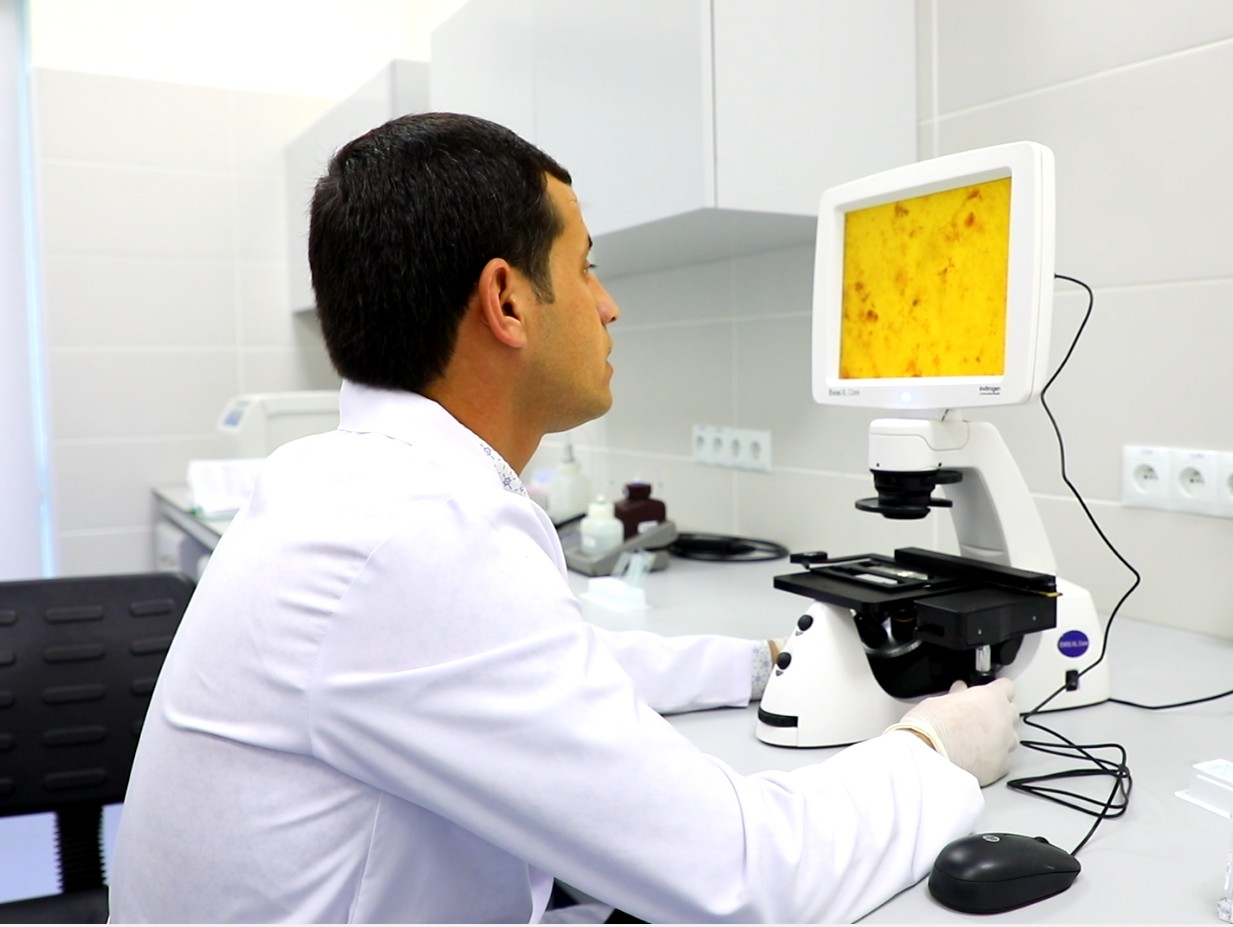
As noted by R.M. Akbaev, O.A. Borisova (2026) and other scientists, the spread of helminthiasis in various equestrian complexes also depends on the age of the horses. Today, the spread (epizooty) of various helminths found in horses and the drugs used against them are studied on a scientific basis in the veterinary laboratory department of the Scientific and Production Center for Horse Breeding of the State Association "Turkmen Atlary". In the course of scientific activities carried out at the International Akhal-Teke Equestrian Complex, it was established that during the winter season in December-February, eggs belonging to the larvae of Strongylus eguinus and Oxyuris equi were discovered.
In the course of scientific activities carried out at the International Akhal-Teke Equestrian Complex, it was established that eggs of the larvae of the nematodes Strongylus eguinus and Oxyuris equi were found in breeding and pregnant mares during the winter period in December-February. It was found that on this farm in horses the average prevalence (infestation intensity) of nematodes Parascaris eguorum was 29.4%, nematodes belonging to the Strongyliata family 26.4% and nematodes belonging to Oxyura equi 16.4%.
Taking into account the above information, it is planned to carry out ongoing scientific scatological work in this complex in the spring, summer and autumn seasons. During the research, the dependence of the spread of roundworms on the seasons will be scientifically studied, as well as the effect of various drugs used against nematodes during deworming, and the scientific data obtained will help protect the health of horses.
Hoshgeldi AMANMYRADOV
Senior Researcher
Department of Parasitology
Department of Veterinary Laboratory
Scientific and Production
Horse Breeding Center